
What if one small change before your next grocery trip could help you waste less food and get more value from the groceries you already buy?
You buy fresh spinach for salads, broccoli for dinner, carrots for snacks, and a few apples for the week. Everything looks inviting when you unpack your groceries.
Then life gets busy.
Dinner plans change. You order takeout. The spinach gets pushed behind a container, the broccoli remains untouched, and the carrots disappear beneath newer groceries.
By Friday, you open the refrigerator and discover that some of your produce is no longer in good condition. Into the bin it goes.
If this sounds familiar, you’re not alone.
According to ReFED, U.S. consumers spent an estimated $141 billion on uneaten food at home in 2024. Produce accounted for an estimated 10.5 million tons of residential food waste.
These national figures highlight a simple problem: buying groceries is only half the story. You also need to use what you buy.
So, if you’ve been wondering how to save money on groceries without following a restrictive budget, here’s a small habit worth trying.
It’s called the Crisper Drawer First routine.
1. Check your refrigerator before shopping
Before writing your grocery list, take two minutes to look through your crisper drawer.
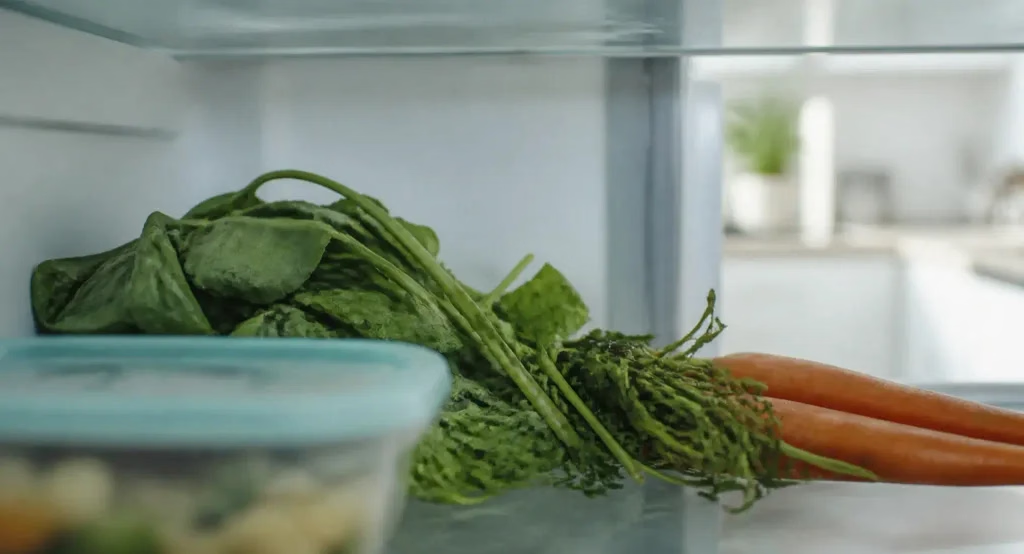
Perhaps you have spinach that needs using, a few carrots left from last week, or broccoli that hasn’t made it into a meal yet.
Choose one or two ingredients that deserve attention.
You don’t need to maintain an inventory or plan every meal. Just make a mental note of what you already have.
The U.S. Environmental Protection Agency (EPA) recommends checking your refrigerator, freezer, and pantry before shopping and planning meals around ingredients that need to be used.
This simple check can help you avoid duplicate purchases and make smarter grocery decisions.
2. Find an easy way to use what you have
Once you’ve identified the produce that needs attention, give it an easy destination.
- Add spinach to an omelet, pasta, or soup.
- Use broccoli in a stir-fry or roast it as a side dish.
- Add carrots to a salad or your next homemade soup.
- Enjoy ripe fruit as a snack or with breakfast.
You don’t need an elaborate recipe to use a few leftover vegetables.
The easier the meal, the more likely you are to follow through.
If you know you won’t use certain vegetables in time, consider freezing them before they spoil. Some vegetables need preparation or blanching before freezing, so check the instructions for the specific food.
3. Store vegetables properly to keep them fresh
Knowing how to keep vegetables fresh in the refrigerator can help you get more time to enjoy what you buy.
Different produce has different storage needs, but a few habits are worth adopting:
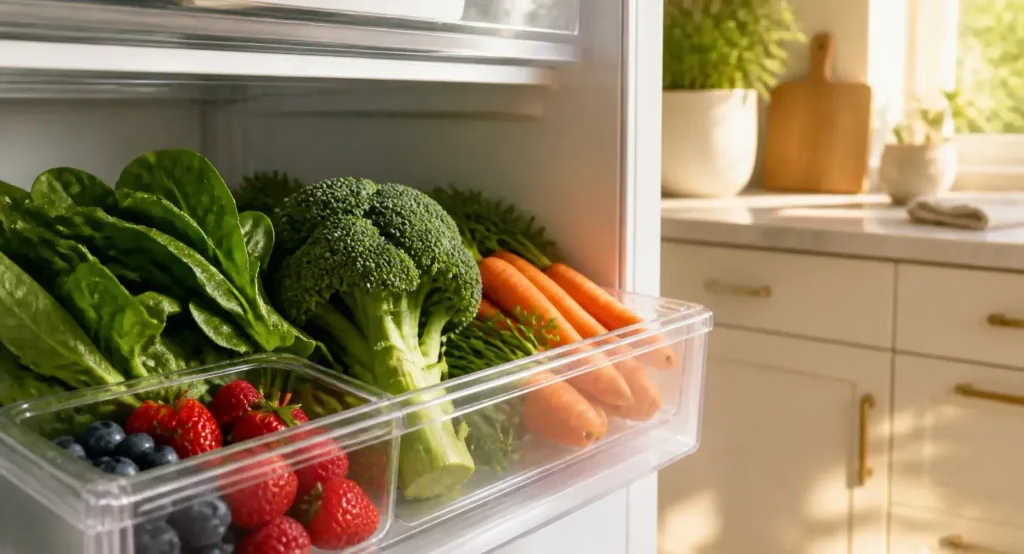
- Leafy greens: Keep refrigerated and manage excess moisture.
- Carrots and broccoli: Refrigerate under suitable conditions and follow storage guidance for each vegetable.
- Berries: Wait to wash them until you’re ready to eat them.
- Apples and pears: Keep in mind that they release ethylene, which can accelerate ripening in some sensitive produce.
For example, when storing spinach, follow the package instructions, keep it refrigerated, and avoid excess moisture. Check it periodically rather than leaving it forgotten at the back of the drawer.
You can find more produce storage advice in the EPA’s household food-waste guide.
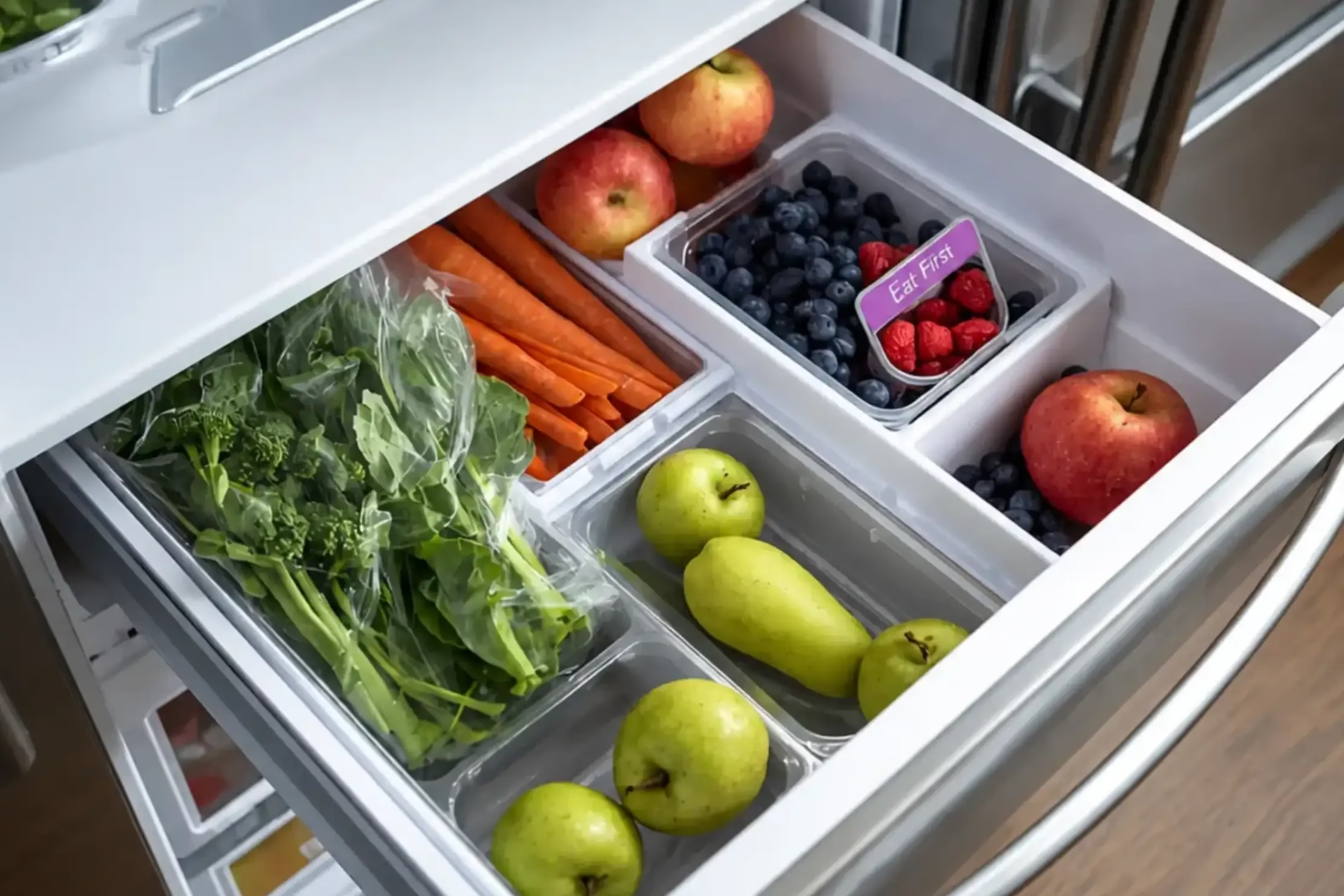
One additional trick: create a small “Eat First” area in your refrigerator. Put produce that needs attention there so it’s easier to notice.

4. Don’t let supermarket offers dictate what you buy
A larger pack or a buy-one-get-one-free offer can look like a bargain. But if part of the food ends up in the bin, the deal may not be as good as it first appears.
Before buying more, ask yourself:
- Do I already have this ingredient?
- Will I realistically use this quantity?
- Is the discount worth it if some of the food goes to waste?
The cheapest option isn’t always the best value. Food you actually eat is more useful than food you buy cheaply and eventually throw away.
This is one of the simplest ways to make grocery shopping more intentional without cutting out everything you enjoy.
Try it for one week
You don’t need a detailed plan to get started.
Before your next grocery trip:
- Check your crisper drawer.
- Choose one or two ingredients that need attention.
- Use them in a meal you already enjoy.
- Notice whether you avoided a purchase or used food that might otherwise have spoiled.
That’s your experiment.
You don’t need to track every purchase or maintain a spreadsheet. If you’re curious about the financial impact, estimate the value of edible produce you would otherwise have discarded but managed to use instead.
The EPA’s Food: Too Good to Waste toolkit offers additional ways to understand household food waste and try practical solutions.
If the routine works, keep it. If you forget one week, simply try again.
A little more value from what you already buy
Saving money doesn’t always mean giving something up. Sometimes it means getting more value from something you’ve already paid for.
The Crisper Drawer First routine won’t guarantee that you’ll save $40 every Friday. Your potential savings depend on how much produce you currently waste and what you spend on groceries.
But it may help you buy more intentionally, use forgotten ingredients, and throw away less food.
Before your next grocery trip, open the crisper drawer and see what deserves to come first.
One small change is enough to begin.